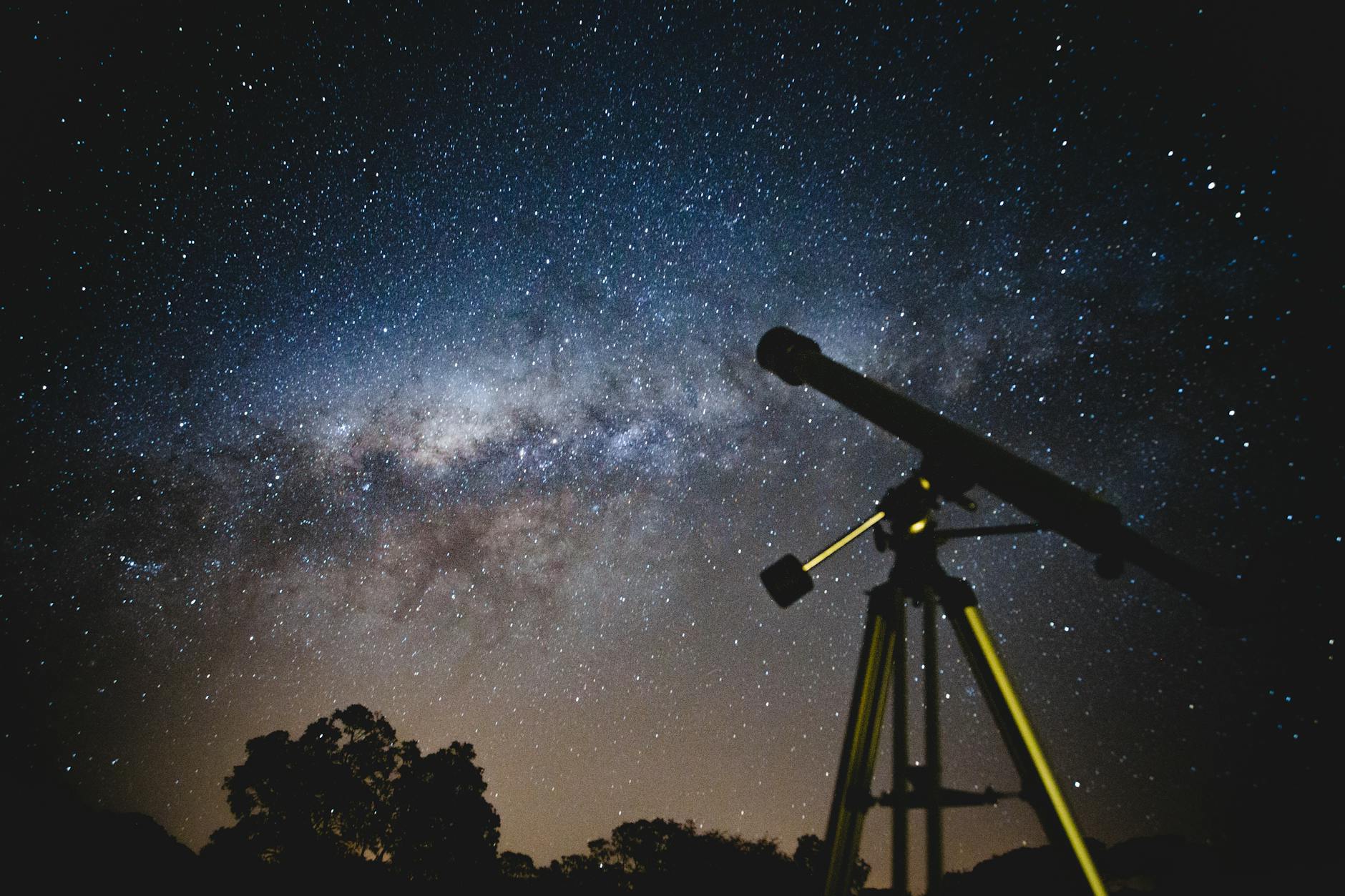
Astro-tourism destinations in India
Astro-tourism refers to travel that revolves around observing various celestial phenomena. These destinations can range from remote areas with clear night skies to famous observatories that offer detailed tours for astronomy enthusiasts. Astro-tourism is a rising trend in travel worldwide as an increasing number of people want to reconnect with nature amidst their fast-paced lives. If you were to choose astro-tourism destinations to unwind, you would be able to enjoy the magic of stargazing and other phenomena in beautiful landscapes. India is seeing a rise in the demand for astro-tourism destinations due to its rich heritage in astronomy as well as the availability of several locations across the country that can be utilized for sustainable tourism. The following list is designed to give any traveler a taste of the best astro-tourism destinations in India.
Ladakh
Ladakh’s vast high altitude desert landscape and minimal air pollution make it a near-perfect astro-tourism destination. Hanle, a historic village in Ladakh, is home to the Hanle Observatory (ISO- Indian Astronomical Observatory,) which is one of the world’s highest observatories. You can observe stunning views of constellations, stars, and other celestial wonders. The Pangong Lake area, with its snow-capped mountains framing the clear night sky, is also a great place for stargazing. The Nubra Valley offers some beautiful views of the night sky as well. For optimal conditions, you should visit Ladakh in spring (March-April) or autumn (August-September). The easiest way to travel to Ladakh is by air; cities like Delhi and Srinagar have direct flights to the Kushok Bakula Rimpochee Airport in Leh. You can also reach Ladakh by road via Srinagar or Manali.

Jaisalmer, Rajasthan
Jaisalmer in Rajasthan is an excellent spot for stargazing enthusiasts. You can camp in the Sam Sand Dunes in the Thar Desert and take advantage of the wide, crystal clear skies. The lack of light/air pollution and the remote location perfectly aid the sighting of beautiful stars and meteor showers. A popular way to explore the night sky in Jaisalmer is through night dune safaris. Bookings for guided night sky observation sessions are also available for tourists, making it a distinctive astro-tourism destination. The best time for stargazing in Jaisalmer is during the cooler months from October to March. You can reach Jaisalmer via the railways as it is well connected to all major cities of Rajasthan. You can also opt for the luxury train ‘Palace on Wheels’ to reach Jaisalmer.

Neil Island, Andaman and Nicobar Islands
Neil Island is one of the 572 islands in the Andaman and Nicobar Islands group. It is a unique astro-tourism destination due to its pristine locale. The stars shine as they reflect in the tranquil waters of the beaches. It is located 36km away from Port Blair and is a perfect location for stargazing as it is far away from urban areas. The lack of pollution, coupled with the charming environment, will ensure an experience you will never forget. Bharatpur and Sitapur beaches are particularly known for nighttime stargazing and astrophotography; walking tours can be booked as well. The best time to visit the Andaman and Nicobar Islands for stargazing is the dry season (November to March). You can take a ferry to Neil Island from Port Blair. The latter is well–connected to all major cities in India by air.

Spiti Valley, Himachal Pradesh
The Spiti Valley in Himachal Pradesh offers some of the darkest and clearest skies in India. Located at over 3800 meters above sea level, Spiti Valley boasts some of the most bewitching views of the night sky. As it is far away from bustling cities, you can enjoy the experience of unique astronomical phenomena. The village of Langza is a favourite amongst astro-tourists. The best time to visit Spiti Valley is from May to July as the sky is at its clearest during these months. You could also book guided tours in Spiti Valley that will help you see the wonders of the Milky Way with advanced equipment and astrophotography workshops. Spiti Valley is accessible by road via Shimla or Manali.

Rann of Kutch, Gujarat
The Rann of Kutch in Gujarat is one of those astro-tourism destinations that you should not miss. It is considered one of the best star-gazing locations in India. Its stark backdrop of the white salt desert makes it very special. You can witness breathtaking views of varied celestial phenomena. Some of the clearest views of stars can be seen here with the naked eye. You can observe the mystifying Chir Batti (Ghost Lights) phenomenon here as well. The Rann Utsav coincides with the best time to visit Kutch for stargazing- from November to March; this offers a unique blend of cultural and astro-tourism. You travel to Rann by road after reaching Bhuj, which is the nearest airport/railway station.

Coorg, Karnataka
Coorg’s famous coffee plantations and lush, green hills offer an unparalleled backdrop for stargazing. Coorg is often known as the Scotland of India, and it boasts secluded spots that make it a perfect destination for astronomy enthusiasts. The Starscapes Observatory is a great choice if you are looking for a place to truly soak in the celestial experience with expert guides. Mandalpatti Viewpoint and Tadiandamol Peak are great spots to observe celestial phenomena. The best time to visit Coorg for stargazing would be between October and March. Coorg is well connected to the main cities of South India like Mangaluru, Bengaluru, and Mysore. You can travel to Coorg by road from any of these places.

Astro-tourism continues to grow in India with its focus on sustainable tourism and preservation of natural, pollution-free locales. These astro-tourism destinations in India offer gorgeous sights of stars, constellations, and other planetary phenomena. As the popularity of these places keeps rising, you can rest assured that investing in them will result in beautiful, one-of-a-kind experiences.

Author
Tirna Sengupta
Currently pursuing an English degree in college. A passionate writer who is always delving into meaningful topics. Eager to explore the world and share thoughts about it with curious readers.


