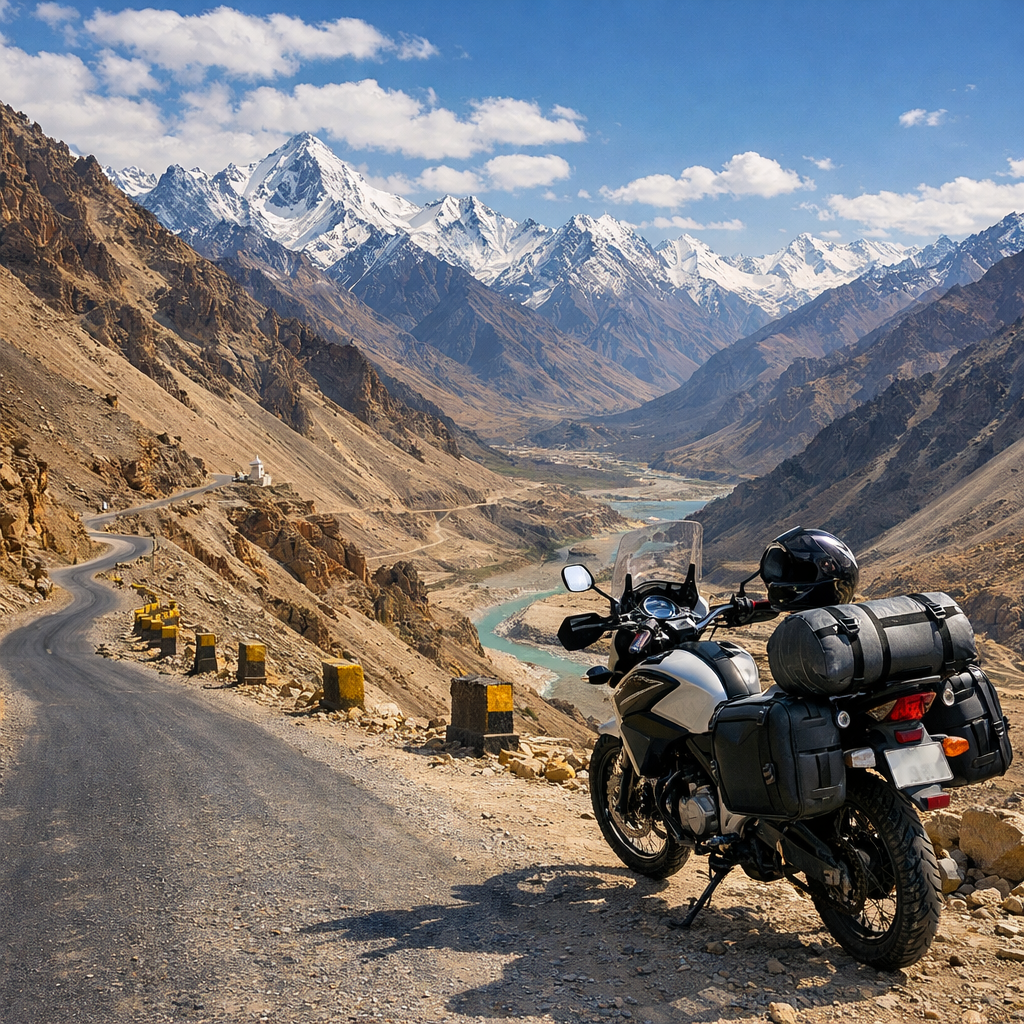
Ladakh Bike Tour Routes & Complete Travel Guide for a Once-in-a-Lifetime Ride
A Ladakh bike trip is not just a journey, it’s a dream stitched with adrenaline, silence, and raw Himalayan beauty. But here’s the truth most blogs won’t tell you: choosing the wrong route, wrong timing, or ignoring basic travel planning can completely ruin your experience.
Every year, thousands of riders head to Ladakh expecting a smooth adventure, only to face roadblocks, altitude sickness, fuel shortages, or unsafe routes. That’s exactly why this guide exists: to solve real problems, not just inspire.
In this article, you’ll discover the most reliable bike routes to Ladakh, including routes from Manali, Srinagar, and offbeat circuits that most travelers miss. We’ll also cover road conditions, best stops, fuel availability, permits, and practical survival tips that actually matter on the ground. If you’re someone who prefers a more planned experience, exploring Leh Ladakh Tour Packages can also help simplify your journey with pre-arranged stays, permits, and guided routes.
Whether you’re a solo rider chasing peace, a group of friends chasing thrill, or someone planning their first Himalayan ride, this guide will help you avoid costly mistakes and ride smarter.
Because Ladakh isn’t just about reaching, it’s about surviving, experiencing, and coming back with stories worth telling.
1. Manali to Leh Route: The Most Popular Yet Most Misunderstood
The Manali to Leh route is every biker’s dream, but it’s also the most challenging if you’re not prepared. Stretching around 470 km, this route takes you through high-altitude passes like Rohtang La and Baralacha La. Roads can be unpredictable, with water crossings and rough patches testing your skills. The biggest mistake riders make is rushing the journey. Acclimatization is crucial here. Plan proper halts at Jispa or Sarchu. Fuel availability is limited, so always carry extra petrol. This route is perfect for thrill-seekers, but only if you respect the mountains.

2. Srinagar to Leh Route: Safer, Scenic & Beginner-Friendly
If you want a smoother and safer entry into Ladakh, the Srinagar to Leh route is your best bet. Covering around 420 km, this route gradually increases altitude, reducing the risk of AMS. The road conditions are better compared to the Manali highway, making it ideal for beginners. You’ll pass through stunning locations like Sonmarg, Zoji La, and Kargil. Unlike the Manali route, fuel stations are more frequent. This route allows your body to adapt naturally, which is why experienced riders often recommend starting from Srinagar and returning via Manali.

3. Leh to Nubra Valley Route: The Ultimate High Pass Ride
The Leh to Nubra Valley route is where the real magic begins. Crossing Khardung La, one of the highest motorable roads in the world, this stretch is both thrilling and demanding. The ride offers a surreal mix of snow-capped mountains and cold desert landscapes. If you’re planning your journey in a more structured way, opting for a Ladakh Package from Delhi can make logistics like permits, stays, and transport much easier. Roads can be rough after the pass, so careful riding is necessary. Nubra Valley rewards you with dunes, double-humped camels, and peaceful monasteries. Always check weather conditions before heading out. This route is short but unforgettable, making it a must-do in your Ladakh itinerary.

4. Fuel, Permits & Budget Reality Check
One of the biggest pain points in a Ladakh bike trip is poor planning around fuel and permits. Fuel stations are sparse, especially on the Manali route, so carrying extra petrol in cans is essential. Inner Line Permits are required for places like Nubra Valley and Pangong Lake, which you can get online or in Leh. Budget is another factor that many underestimate. Expect daily expenses for fuel, stays, and food to be higher than usual due to remote conditions. Always keep emergency cash, as digital payments may not work everywhere.
5. Best Time to Ride & Weather Reality
Timing your Ladakh trip correctly can make or break your experience. The best time to ride is from June to September when roads are open, and the weather is relatively stable. Early June still has snow walls, making it visually stunning but slightly risky. Monsoon months like July and August bring landslides, especially on the Srinagar route. September offers clear skies and fewer crowds, making it the best overall month. Avoid winter unless you are extremely experienced, as most routes remain closed due to heavy snowfall and extreme temperatures.
6. Common Mistakes That Can Ruin Your Ladakh Trip
Most Ladakh trips go wrong because of simple but critical mistakes. Riders often ignore acclimatization and face severe altitude sickness. Overpacking or under-preparing for cold weather is another common issue. Many rely only on Google Maps without offline backups, which can fail in remote areas. Riding too fast or pushing long distances without rest increases risk. Another mistake is not checking the bike’s condition before the trip. Ladakh is not forgiving—your machine and your body both need preparation. Avoid these mistakes, and your journey becomes smooth and unforgettable.
7. Essential Packing & Survival Tips
Packing smart is the key to surviving Ladakh’s unpredictable conditions. Carry thermal wear, waterproof gloves, riding gear, and a good-quality helmet. Always pack basic medicines for altitude sickness, headache, and cold. A portable oxygen can be a lifesaver in emergencies. Offline maps, power banks, and spare bike parts like clutch cables are highly recommended. Hydration is critical, so drink plenty of water even if you don’t feel thirsty. Travel light but smart; every item should serve a purpose. In Ladakh, preparation is not optional; it’s your safety net.
A Ladakh bike trip is not just about adventure—it’s about preparation, patience, and respect for the mountains. Choose the right route, plan your stops, and avoid rookie mistakes. Do it right, and this won’t just be a trip; it’ll be a story you’ll tell for the rest of your life.
“This is a guest post”.


