The Wonders of The Gwalior Fort, Madhya Pradesh
After enjoying a hot, brewing tea in the local Kulhad, embark on a pleasure trip to marvel at Gwalior, one of the most spectacular cities in India. Even before the Scindias Marathas and Mughals ruled Gwalior, the historic city enjoyed a royal past. Not surprisingly the city, a prominent one in the Indian state of Madhya Pradesh still spreads its imperial charm. Palaces, forts, and temples built in different eras hold the limelight. Among them, Gwalior Fort is described as the pearl of fortresses in India.
Records prove the city existed in regal charm even in the 5th century. Through the 18th century, the Princely state of Gwalior was under the power Scindia clan. For years together, the fort has been attracting tourists from within India and abroad. And the reason? The Gwalior Fort in itself houses a host of historically prominent edifices including palaces, temples, gardens, ponds, and tombs.

Photos and videos courtesy @abhijithtomy
Gwalior Fort
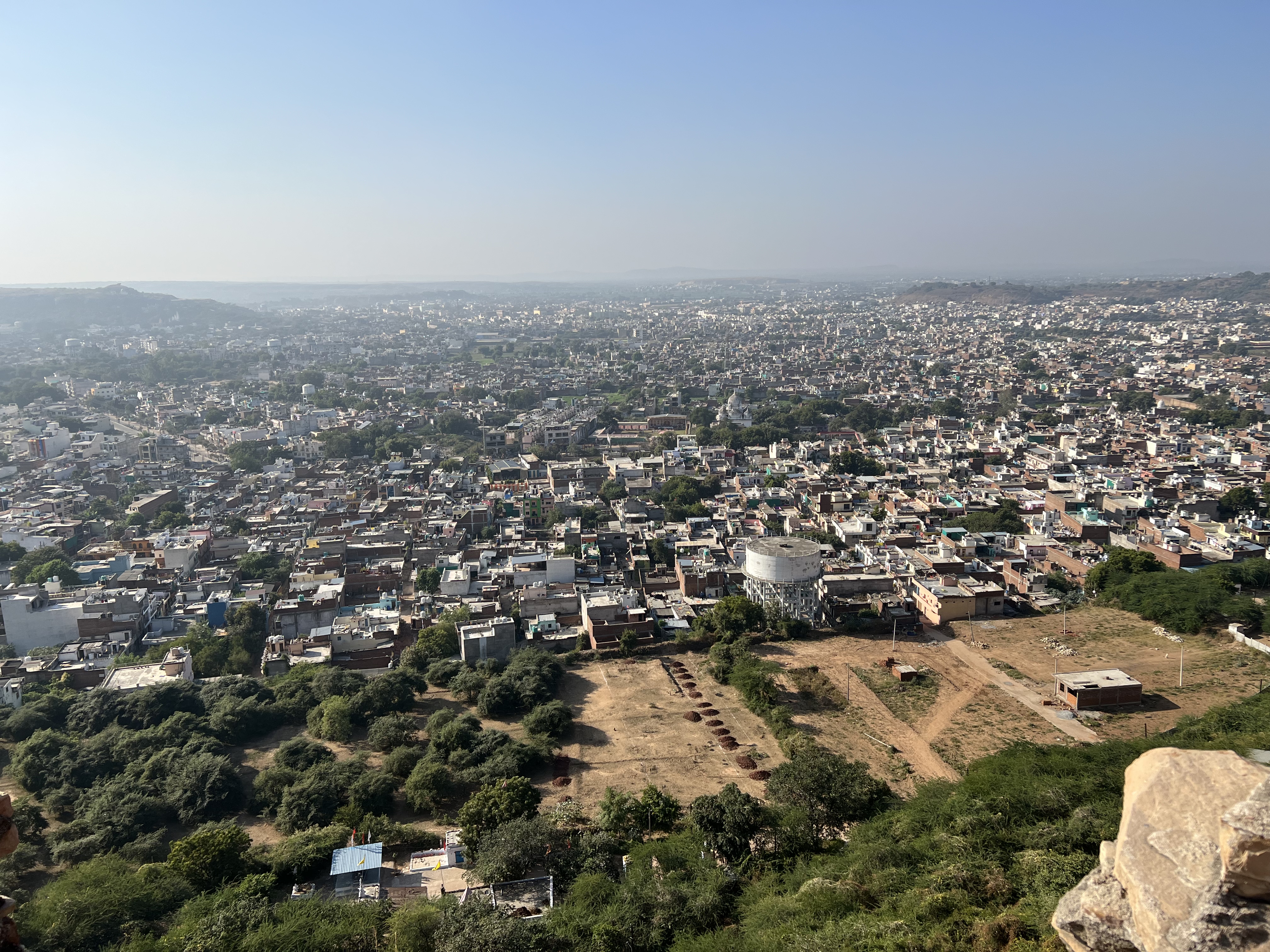
One of the top attractions in Gwalior is the Gwalior Fort spread across a sprawling campus of three square kilometres. There is no concrete proof to suggest when it was built. But the folklore associates the same to the reign of the local king Suraj Sen in 3 CE. The magnificent structure situated on a sandstone mound in the heart of the city catches the attention of everyone. Even the view from the top overlooking the town is remarkable. Outstanding features in and around the fort stun the visitors. The four palaces and temples within the fort are outstanding examples of medieval archaeological brilliance.


Museums, Karan Mahal, Vikram Mahal, Dhondapur Gate, Jauhar Kund, Scindia School, and Gurudwara are some of the other major attractions within the fort complex. During different eras Kachchapaghata, Rajput, Mughal, Scindias and British rulers have left their imprint on the fort. The fort hosts a sound and light show in the evenings that narrates the fort’s history and its rulers. It is also a popular venue for various music festivals and cultural events.

Man Singh Palace
Built by Raja Man Singh Tomar in the 15th century, the palace exudes exquisiteness. Its imperial-style architecture, blue-tiled mosaic work, and the brilliant work on the outer wall attract admiration. Similarly, adorned pillars, brackets, domes, colorful paintings, and various sculptures will amaze you. The palace consists of four storeys of which two are underground. The palace is constructed on the outer wall of the Fort. The Son-et-Lumiere show that happens every day gives a glimpse into the history of the fort.
Gujari Mahal
Gujari Mahal is the second palace within the fort complex. It was also constructed by Raja Man Singh and he built it to honor his wife, Mrignayani. It has now been converted into an archaeological museum, called Gwalior Fort. For those interested in the ancient archaeology, the museum is a pandora box. The statue of Shalbhanjika from Gyraspur is the center of attraction among the many medieval architectural wonders. Many of the collections like sculptures, coins, pottery, terracotta, paintings, inscriptions, and weapons date back to even the 1st century AD.

Teli Ka Mandir
Teli Ka Mandir was built during the reign of Mihira Bhoja. The word ‘Teli’ means oil dealer in the local language. Legends claim that the temple was built with money donated by oil merchants hence the name. The temple is dedicated to Lord Vishnu. It is one of the tallest structures inside the Gwalior Fort with a height of around 30 meters. The temple features a sanctum for the deity and an Antarala, antechamber, for the entrance. The unique rectangular-shaped temple poses a blend of North Indian Nagara and Dravidian styles. A striking feature of the temple is the Buddhist-style wagon-vaulted roof. The Indo-Aryan decorative details include the richly decorated exterior walls of the temple.

Sas Bahu Temple
It is a set of two temples on the eastern corner of the Gwalior Fort. Although the literal meaning of Sas Bahu is mother-in-law and daughter-in-law, the temple is named after Lord Vishnu’s incarnation, Sahastrabahu. Among the two temples, one is larger compared to the other. Lord Shiva is the presiding god in the smaller one, while Lord Vishnu is honored in the larger one.
The construction of the temples was started by King Ratanapala and completed during the reign of Mahipala in 1093 A.D. Exterior walls with impeccable carvings and reliefs of floral and geometric designs, and figures of elephants, dancers, and scenes from Krishna Lila are a sight to behold.

The stone instructions on the portico of the temple shed more light on the installation of the temples.

Gopachal Parvat
Gopachal Parvat is a series of rock-cut sculptures inside the Gwalior Fort. Ancient Jain sculptures carved out from the rocks are a mesmerizing sight. The statues of Tirthankaras carved out in standing and sitting in meditative posture are remarkable works of art. Many of these sculptors stand at a height of ten meters. The majority of these works date back to the 7th to 15th century.

The Jahangir Mahal and The Shahjahan Mahal
These Mughal architectures stand facing each other on the same premises of the Fort. The Shahjahan Mahal was built by Shahjahan and the Jahangir Mahal was a restored edifice by Jahangir.
Karan Mahal and Vikram Mahal
Kirti Singh whose other name was Karan from the Tomar Dynasty built Karan Mahal in the 1400s. Vikram Mahal was built by Raja Man Singh’s elder son, Vikramaditya Singh. Probably these two are the simplest structures in the Fort complex.

Embellished with eighty pillars, the circular step well, Assi Khamba Ki Baori built by Raja Man Singh Tomar is a spectacular spot.


And there is Suraj Kund, the famous pond associated with the folklore of healing King Suraj Sen. A full day may not be sufficient to see everything around.
How To Reach Gwalior?
There is a domestic airport in Gwalior which connects to many international airports in the country. The city is well connected to all the main cities by road and rail.

Author
Deepu Paul
A Travel enthusiast, Foodie, and Published author craving to explore the intricate beauty of nature and its gift of delectable treats. Pens down his thoughts and experiences to present a delightful journey for his readers


